

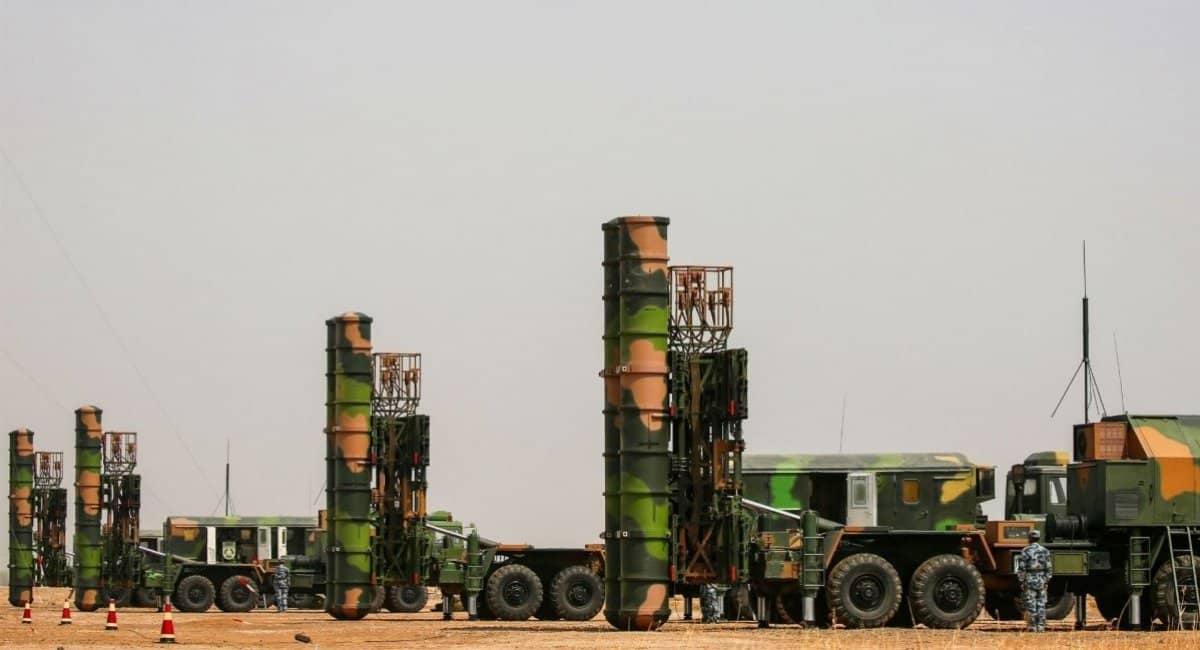
During the coordinated strike against Iran on March 24, 2026, American electronic warfare aircraft destroyed HQ-9B batteries and YLC-8B radars within the first hour, raising questions about the HQ-9's vulnerability. The Chinese system, touted since 2004 through the HHQ-9 naval variant and exported to protect Iranian sites, had already suffered documented setbacks in 2025 in Pakistan, Iran, and Venezuela. This sequence of events has fueled persistent doubts about its resilience against the combined effects of defense suppression and electronic warfare.
The HQ-9 system experienced its first setbacks in 2025 despite strong export promotion.
The naval HHQ-9 was presented as a cornerstone of fleet air defense, entering service in 2004 on the Type 052C destroyer Lanzhou, which carried 48 missiles in vertical launch silos. The Type 055 destroyers have 112 silos capable of accommodating the HHQ-9B, indicating an upgrade on modern platforms. Published performance figures for the HQ-9 indicated an estimated range of 120 kilometers, a speed exceeding Mach 4, inertial guidance followed by radar homing, and the ability to simultaneously engage multiple targets beyond 100 kilometers.
The HQ-9, exported under the designation FD-2000, was deployed to secure critical Iranian infrastructure, signaling an ambition for a regional strategic shield. For years, Chinese public relations have showcased the HQ-9B and its radars at parades and exhibitions to establish a high-end export positioning. The HQ-9BE was also presented for the first time at Airshow China 2021, contributing to the display of industrial and operational maturity claimed by Beijing.
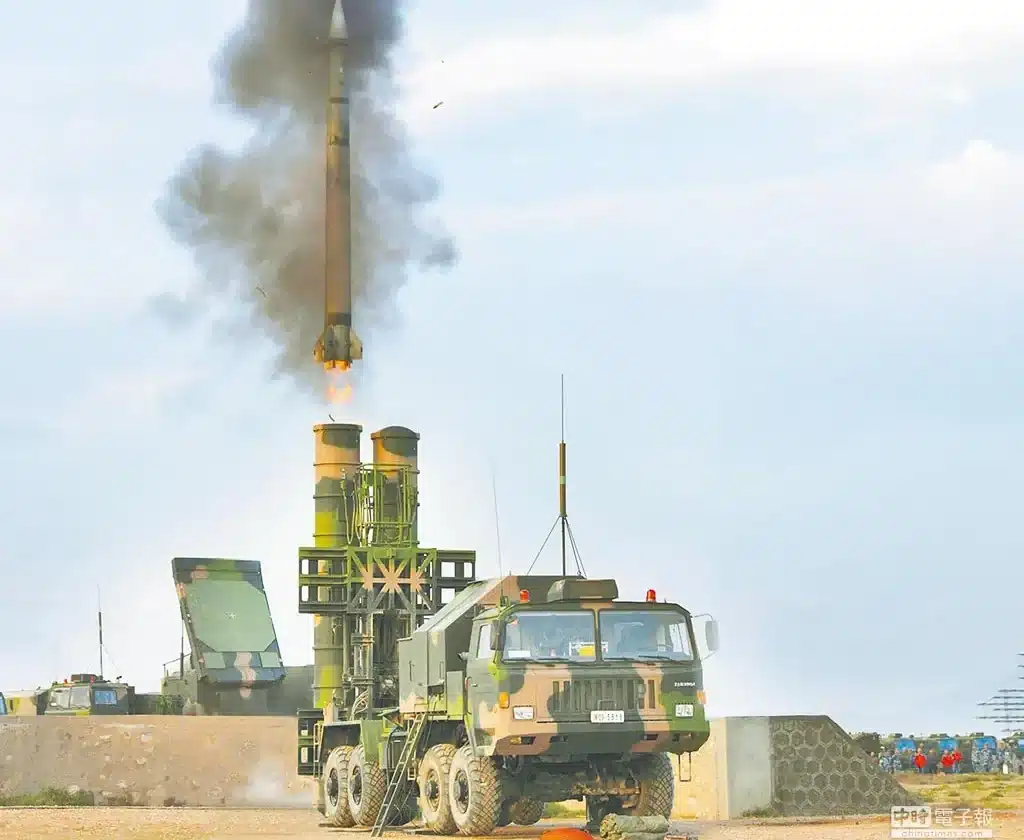
In May 2025 in Pakistan, Operation Sindoor exposed a gap between promises and high-intensity employment, with the HQ-9 family failing to intercept Indian projectiles including BrahMos near Mach 3. Post-strike debris analysis revealed software instabilities in the fire control computers, high exposure to electronic warfare, and failures to integrate with the air defense network.
Indian media outlets reported the destruction of a HQ-9B in Lahore on May 8, as well as the disabling of radars and systems at several locations following strikes conducted in response to an attack in Pahalgam, India. These reports, of moderate reliability and subject to confirmation bias, have not been corroborated by the Pakistani military. They have, however, fueled an initial narrative of the declining effectiveness of Chinese systems in contested environments.
In June 2025, the Israel Defense Forces bypassed and then destroyed several Iranian HQ-9 installations during Operation Rising Lion, revealing vulnerabilities in the context of coordinated suppression of defenses. In Venezuela, Chinese-supplied radars and air defense systems failed to detect aircraft engaged in a US operation, suggesting systemic deficiencies in the integrated defense. Taken together, these episodes began to damage the export image of the HQ-9 and raised questions about the role of operational contexts and local network architectures.
EA-18G Growlers neutralize defenses and open air corridors in Iran
The setbacks of 2025 resonated more broadly with the coordinated US-Israeli strike of March 24, 2026, which targeted numerous Iranian cities, including Tehran. More than twenty of Iran's thirty-one provinces were hit, indicating a planned, broad-front, and sustained campaign. Iran's entire integrated air defense architecture came under pressure, with a focus on long-range sensors and command and control layers.
This article is now reserved for subscribers.
Articles in this section Defense News are fully accessible during 72 hours after their publication. Beyond that, they join the feed reserved for MetaDefense subscribers.
Subscription can be cancelled at any time, starting from €1,99.

